
ANXIETY & TRAUMA TREATMENT
Anxiety & Trauma Mental Health Services
Anxiety, traumatic experiences, intrusive thoughts, and persistent fear can affect sleep, relationships, concentration, work, and everyday life. Essential Mental Health & Wellness provides compassionate evaluation and individualized care for anxiety disorders, PTSD, OCD, and related concerns.
No referral required. You are welcome to contact us if you are unsure whether anxiety, trauma-related concerns, or OCD treatment might be helpful.
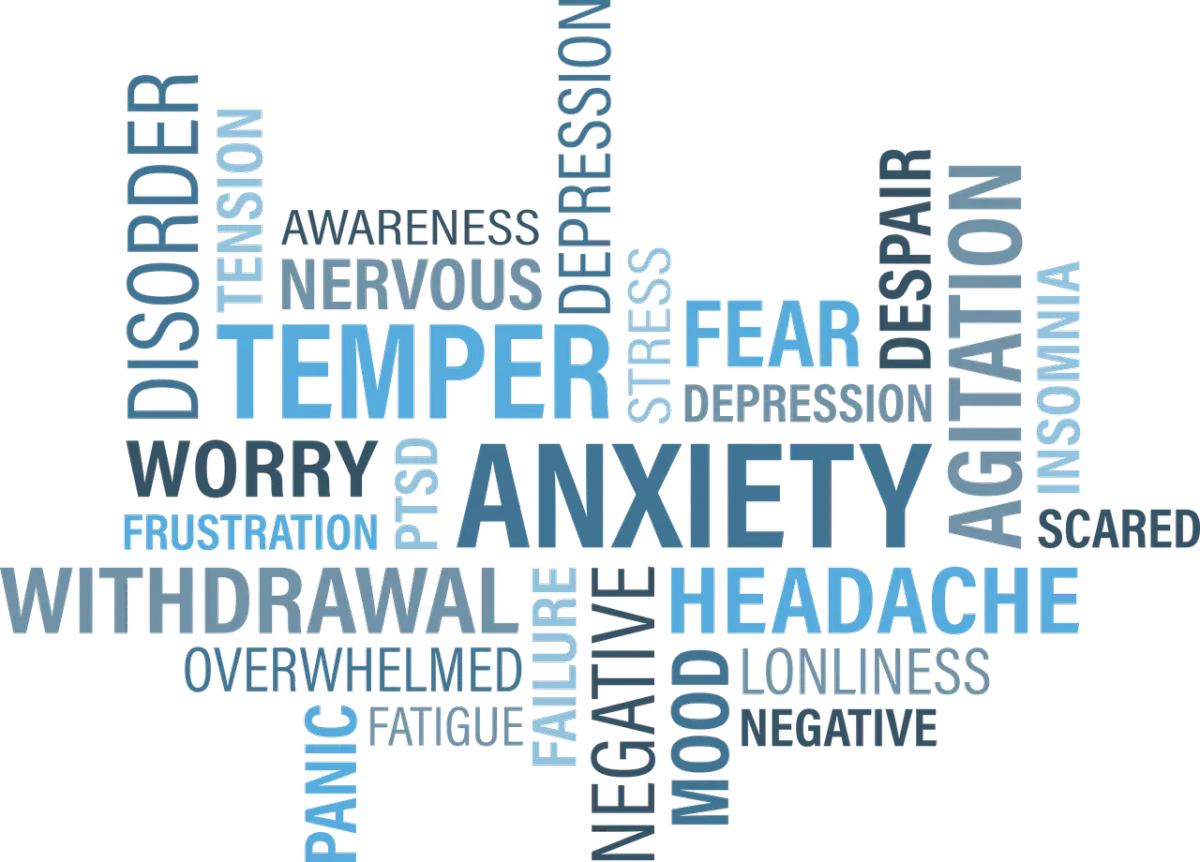
Understanding Anxiety & Trauma
Understanding Anxiety & Trauma
Anxiety and trauma-related symptoms can show up in many different ways. For some people, they primarily affect thoughts and emotions, such as ongoing worry, intrusive memories, or feeling on edge. Others may notice physical sensations like a racing heart, shortness of breath, restlessness, or difficulty relaxing.
These experiences can influence behavior and relationships as well. You may find yourself avoiding situations that feel stressful, having trouble concentrating at work or school, feeling more irritable, or noticing strain in important relationships. Sleep difficulties, changes in appetite, or feeling constantly "on alert" can also be part of how anxiety and trauma affect day-to-day life.
No two people experience anxiety or trauma in exactly the same way. At Essential Mental Health & Wellness, we take time to understand your unique symptoms, history, and strengths so that your evaluation and anxiety & trauma treatment plan are tailored to what matters most to you.
Conditions We Treat
Conditions We Treat
Our team provides anxiety & trauma treatment for several conditions that can affect thoughts, emotions, and daily functioning. Below are three core areas of focus in our practice.
Anxiety Disorders
Evaluation and treatment for excessive worry, fear, panic, racing thoughts, and other anxiety-related symptoms that can interfere with everyday activities, relationships, and quality of life.
PTSD
Supportive, trauma-informed mental health care for individuals experiencing emotional, behavioral, or psychological symptoms associated with traumatic experiences, including intrusive memories, avoidance, or changes in mood and arousal.
OCD
Individualized care for individuals experiencing recurring unwanted thoughts, compulsive behaviors, or other OCD symptoms that may disrupt everyday routines, decision-making, and overall quality of life.
Symptoms That May Affect Everyday Life
Symptoms That May Affect Everyday Life
People seeking anxiety & trauma treatment often notice changes in how they think, feel, and function day to day. The experiences below are examples of symptoms that can be part of anxiety disorders, PTSD, or OCD. Having one or more of these does not automatically mean you meet criteria for a diagnosis, but it may be a sign that professional support could be helpful.
Excessive worry
Panic or intense fear
Racing thoughts
Intrusive thoughts
Repetitive behaviors
Avoidance
Hypervigilance
Sleep difficulties
Difficulty concentrating
Irritability
These examples are not a checklist or diagnostic tool. Symptoms alone do not establish a diagnosis. A comprehensive anxiety evaluation or trauma-informed mental health assessment can help clarify what you are experiencing and what forms of care may be most supportive.
A Personalized, Trauma-Informed Approach
A Personalized, Trauma-Informed Approach
Trauma-informed mental health care begins with understanding you as a whole person. Our clinicians take time to learn about your symptoms, medical and mental health history, past experiences, current stressors, and what you hope will change. We move at a pace that feels manageable and prioritize emotional and physical safety throughout your care.
Your anxiety & trauma treatment plan is developed collaboratively. Together, we discuss your concerns, strengths, and preferences, and we talk through options so that you can make informed choices about your care. This may include therapy, skills for coping with anxiety, recommendations for medical or psychiatric consultation, or coordination with other members of your care team.
When appropriate, we may also recommend additional services within our practice, such as Mood Disorders, Sleep Disorders, or ADHD Services, to support a more comprehensive understanding of your mental health.

What to Expect
What to Expect
Knowing what to expect can make starting anxiety & trauma treatment feel more comfortable. While every person’s experience is unique, care at Essential Mental Health & Wellness often follows the four steps below.
01
Schedule Appointment
You can contact our office or use our online options to request an appointment for anxiety treatment, PTSD treatment, or OCD treatment. Our team will gather a few basic details and help you find a time that fits your schedule.
02
Initial Evaluation
During your initial evaluation, your clinician will invite you to share what has been happening, how symptoms are affecting your life, and any past experiences that feel important. This conversation helps us understand your needs and consider which types of support may be helpful.
03
Personalized Care Plan
Together, you and your clinician develop a plan that may include therapy focused on anxiety, PTSD, or OCD, coping skills, and recommendations for additional services when appropriate. We talk openly about options and invite your questions so that decisions are shared and transparent.
04
Ongoing Support
Follow-up sessions offer a consistent space to check in, practice new skills, and talk about how things are shifting over time. Your clinician will regularly review progress with you and adjust the plan as your needs, goals, or circumstances change.
Frequently Asked Questions
Frequently Asked Questions
These questions are designed to offer general education about anxiety & trauma treatment and are not a substitute for individual medical or mental health advice. If you have specific questions about your situation, we encourage you to contact our office directly.
What is an anxiety disorder?
An anxiety disorder is a mental health condition in which worry, fear, or physical symptoms of anxiety become more intense, frequent, or long lasting than would typically be expected. These experiences can interfere with daily activities, relationships, work, or school. Examples include generalized anxiety disorder, panic disorder, and social anxiety disorder. A comprehensive evaluation with a mental health professional can help clarify whether what you are experiencing meets criteria for an anxiety disorder.
What is PTSD?
Post-traumatic stress disorder (PTSD) is a condition that can develop after experiencing or witnessing a traumatic event. People with PTSD may notice intrusive memories or nightmares, avoidance of reminders, changes in mood or thinking, and feeling more on guard or easily startled. Not everyone who goes through something traumatic develops PTSD. Trauma-informed mental health care can help assess your symptoms and explore supportive treatment options.
What is OCD?
Obsessive-compulsive disorder (OCD) involves recurring, unwanted thoughts, images, or urges (obsessions) and repetitive behaviors or mental rituals (compulsions) that a person feels driven to perform. These symptoms can be time consuming and distressing, and they may interfere with daily routines or decision-making. Evaluation with a clinician familiar with OCD can help determine whether your experiences fit this pattern and what forms of care might help.
How can anxiety affect the body?
Anxiety can involve both emotional and physical experiences. Some people notice a racing heart, shortness of breath, muscle tension, restlessness, stomach discomfort, or trouble sleeping. Others may feel fatigued, on edge, or easily startled. These symptoms can also be related to medical conditions, so it is important to talk with a healthcare professional to explore what may be contributing and to discuss appropriate next steps.
When should I seek professional help for anxiety?
You might consider seeking professional support when anxiety feels hard to manage on your own, lasts longer than you expected, or starts to affect sleep, relationships, work, school, or daily routines. Some people seek care when they notice panic episodes, avoid important activities, or feel worried most days. You do not need to wait for a crisis to ask for help. An evaluation can offer clarity and options for support.
Can traumatic experiences affect sleep?
Yes. Traumatic experiences can be associated with changes in sleep, such as difficulty falling or staying asleep, nightmares, or feeling exhausted even after sleep. Anxiety, hypervigilance, and intrusive memories may contribute to sleep disruption. A clinician can help you explore what you are noticing, consider other possible causes, and discuss trauma-informed treatment options that may support rest and recovery.
How are anxiety and trauma-related conditions evaluated?
At Essential Mental Health & Wellness, evaluation typically involves a detailed conversation about your symptoms, history, medical conditions, current stressors, and goals. Your clinician may also use questionnaires or screening tools. The goal is to understand your experiences in context, not to judge or label. We then discuss impressions with you, answer questions, and talk through recommendations for anxiety treatment, PTSD treatment, OCD treatment, or related care as appropriate.
How do I schedule an appointment?
You can schedule an appointment by contacting our office directly or by using our online request options if available. Let us know that you are interested in anxiety & trauma treatment, and our team will share current availability, help you with next steps, and answer practical questions such as location, fees, and what to expect during your first visit.
Information on this page is for educational purposes only and is not a substitute for individualized medical or mental health care. If you are experiencing a crisis or emergency, please seek immediate help through local emergency services or crisis resources.
Professional Support Starts With a Conversation
Professional Support Starts With a Conversation
Reaching out for help does not mean you have failed. It means you are paying attention to your well-being and looking for ways to care for yourself. If you are wondering whether anxiety treatment, PTSD treatment, OCD treatment, or trauma-informed mental health care might be helpful, you are welcome to start with a conversation.
Our team can answer questions about anxiety & trauma services, discuss scheduling options, and help you explore next steps that feel right for you.
No referral is required to contact our office about anxiety & trauma treatment.
At Essential Mental Health & Wellness, we believe mental wellness is a vital part of a good fulfilling life. Our therapists provide personalized, empathetic care that is tailored to your need.
ESSENTIAL MENTAL HEALTH & WELLNESS
CONTACT INFO
© 2025 essentialwellnessinc. All rights reserved.
Facebook
Instagram